


Ammonium Sulfate
Ammonium Sulfate; Features and applications
What is ammonium sulfate?
It is a mineral salt that has a variety of uses in different industries. It is commonly used to create nitrogenous and ammonium fertilizers, which typically have a 21% nitrogen and 24% sulfur content. This mineral is one of the first and most widely used nitrogen fertilizers, although it is not as common now. It is still highly valued for its high solubility and is used for a variety of agricultural purposes. Additionally, it has other applications outside of farming.
It is primarily used as a soil amendment and fertilizer, which helps crops grow and increase yields. It is also used to produce yeast foods and in the leather tanning industry. Additionally, ammonium sulfate is used as a fire retardant and wood preservative, as a component in dry cell batteries, and as a food additive. It is a common ingredient in many cosmetic and personal care products, such as lotions and soaps. It is also used in the paper and textile industries, as well as in water treatment.
Ammonium sulfate is typically added to bread and other food products as a dough softener. This substance is also present in the basic components of fire extinguisher powder and fire retardant materials. Furthermore, it is used in chemical industries, wood pulp, textiles, and pharmaceuticals. The chemical compound is created by combining ammonia and sulfuric acid in a reaction which can be seen in the following equation: 2NH3 + H2SO4 = (NH4)2SO4. The process involves a mixture of ammonia gas, water vapor, and a saturated solution of ammonium sulfate, in addition to 2-4% of free sulfuric acid, being put into a reactor at 60 degrees Celsius.
Sulfuric acid is added to the mixture to create an acidic environment and keep the level of free acid constant. The heat of the reaction is then used to maintain the temperature of the reactor at 60°C. The result is a dry and powdered ammonium sulfate which is formed by evaporating all the water from the system. The same material can be made from gypsum, which has the chemical formula CaSO4.2H2O. This is done by crushing the gypsum into tiny pieces and adding it to an ammonium carbonate solution. Again, sulfuric acid is used to adjust the acidity of the solution and keep the level of free acid stable.
When ammonium sulfate is heated to temperatures over 250 degrees Celsius, it decomposes into ammonia, nitrogen, sulfur dioxide and water. This substance is acidic due to it being a salt of a strong acid (sulfuric acid) and a weak base (ammonia). When a 0.1 mm solution of this compound is mixed with equal concentrations of metal sulfates and evaporated, various double salt mixtures are created. These bimetallic sulfates contain cobalt, iron, and nickel ions.
In addition, when adding barium chloride to a solution of ammonium sulfate, a precipitate of barium sulfate is formed. When trivalent metal ions, like ferric ions, are added, ferric ammonium sulfate can also be produced. These reactions illustrate the relationship between ammonium and sulfate ions in aqueous solutions.
Therefore, ammonium sulfate is a substance that undergoes several chemical reactions, depending on what other elements it is combined with. These reactions can result in ammonia, nitrogen, sulfur dioxide, water, or several double salt mixtures.
Physical and chemical characteristics
Other names: | |
Identifiers | |
Cas Number | 7783-20-2 |
EC Number | 231-984-1 |
Pubchem CID | 6097028 |
Features and Properties | |
Chemical formula | (NH4)2SO4 |
Molar mass | 132.14 g/mol |
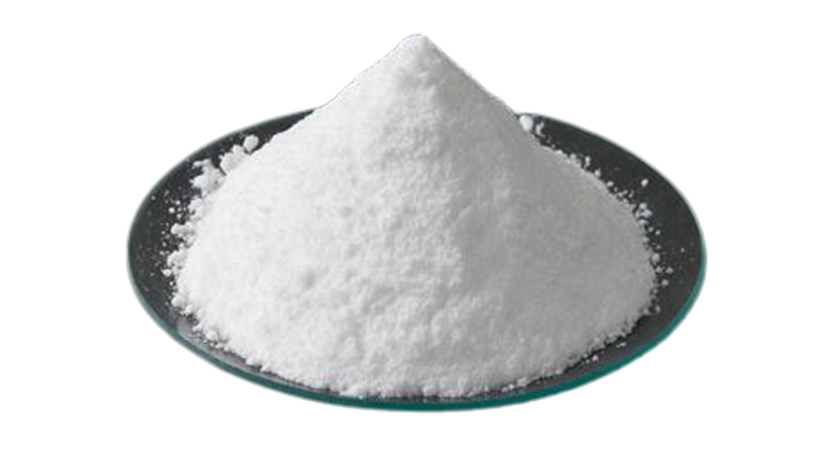
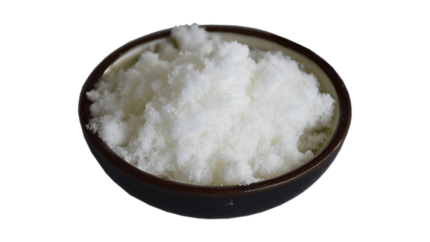
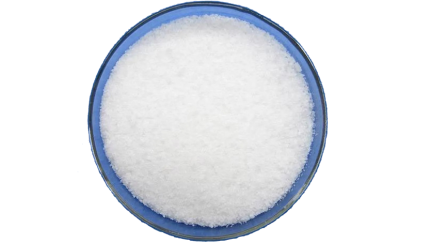
Appearance | White powder, white granules or white crystals with moisture absorption properties |
Density | 1.77 g/cm3 |
Melting point | 235 to 280 °C |
Solubility in water | 70.6 g in 100 g water (0 °C) |
Solubility in other compounds | Insoluble in alcohol, ether, acetone |
Flammability point | Not-flammable |
Related compounds | |
Other Anions | Ammonium thiosulfate |
Other Cation | Sodium sulfate |
Related Compounds | Ammonium iron(‖) sulfate |
Usages
1- as agricultural fertilizer:
This nitrogen fertilizer can be utilized as a soil amendment for alkaline soils. It releases ammonium ions into the soil, which lowers its pH. This makes it an effective fertilizer for fruit trees, although it has a lower nitrogen content than ammonium nitrate fertilizers. Additionally, it can be used as a spray regulator for water soluble insecticides, herbicides, and fungicides.
2- as a food additive:
This nitrogen fertilizer is considered safe for use as a food additive by the US Food and Drug Administration (FDA) and is listed as E517 in the European Union. Edible grade of this material is used to regulate acidity in flour and bread.
3- application of ammonium sulfate in industry:
Ammonium sulfate is also used in industry in several ways. It is used in combination with chlorine in drinking water treatment to produce monochloramine for disinfection. It is also used on a small scale in the preparation of other ammonium salts, such as ammonium persulfate. Vaccines in the United States at the Center for Disease Control often contain this compound as the main ingredient. A saturated solution of this substance in heavy water (D2O) is also used as an external standard in NMR spectroscopy for sulfur (). Additionally, it has been used as a flame retardant to increase the combustion temperature of the material, as well as a wood preservative, though it has been largely discontinued due to its moisture absorption properties causing corrosion of metal joints.
Tips for using ammonium sulfate fertilizer in agriculture:
Ammonium sulfate is an effective agricultural fertilizer when the need for plant nutrition supplements is felt. It is affordable to buy and use, as it only contains 21% nitrogen, and other sources of fertilizer provide higher concentrations. This nitrogen fertilizer is often used for rice in flooded soils, since nitrate-based fertilizers are not very effective in this type of soil.
When adding ammonium sulfate fertilizer to the soil, it is important to note the source water concentrations of calcium, magnesium, and sodium. High-purity ammonium sulfate should be used so that it does not clog the irrigation nozzles. After adding this chemical fertilizer to the soil, it quickly dissolves and separates into its components, ammonium and sulfate. If added on the soil surface, ammonium may be prone to outgassing in alkaline conditions, so it is best to incorporate the materials into the soil as soon as possible. This should be done before watering to allow the fertilizer to dissolve and become accessible to the plants via moisture.
If this chemical compound comes into contact with the skin, it is important to wash it off with plenty of water. Afterwards, apply an antibacterial moisturizer or emollient to the affected area. It is recommended to use an antiseptic soap to clean the area. In case of inhalation, make sure to move the person to a place with fresh air. If breathing becomes difficult, go to the hospital right away. There are no reports of serious respiratory effects from this substance. However, repeated contact can cause skin irritation, itching and inflammation. If swallowed, this chemical can cause dehydration in the body and act as a laxative.
If a large enough amount of ammonium sulfate is ingested by the body, it can lead to ammonia poisoning. This can cause digestive system issues, including irritation, nausea, and diarrhea. The eyes, central nervous system (with symptoms such as drowsiness, tremors, convulsions and muscle contractions), and respiratory system (with symptoms such as difficulty breathing and respiratory stimulation) can also be affected. Granular and powdered ammonium sulfate is normally sold in bags of 50 kg, but companies may also offer bags of 25 kg or 1000 kg for industrial purposes. Bulk shipping is also an option.
Maintenance
The storage of bags or containers containing the ammonium sulfate compound must be done in dry and cool warehouses with strong ventilation and away from heat sources. It should be kept away from any flammable materials and workers must wear gloves, masks and special clothing. All containers and bags must be marked with safety labels and technical specifications and completely closed. Additionally, it is important to keep it away from any incompatible materials such as oxidizers. The purchase and sale of this substance is one of the most used for producing agricultural fertilizers and other chemical products. It is available in 50 kg packages and contains 21% nitrogen and 24% sulfur.
When choosing an ammonium sulfate fertilizer for different plants, such as alfalfa, tomatoes, rice, wheat, and onions, it is essential to consider the type of plant, the soil conditions, and the plant's nutrient requirements. A chemical and a botanical or agricultural expert should be consulted to ensure the correct use of ammonium sulfate fertilizer. This product can be found in the market with the names and brands of ammonium sulfate from Uzbekistan, sulfammon Shiraz, and Urmia.