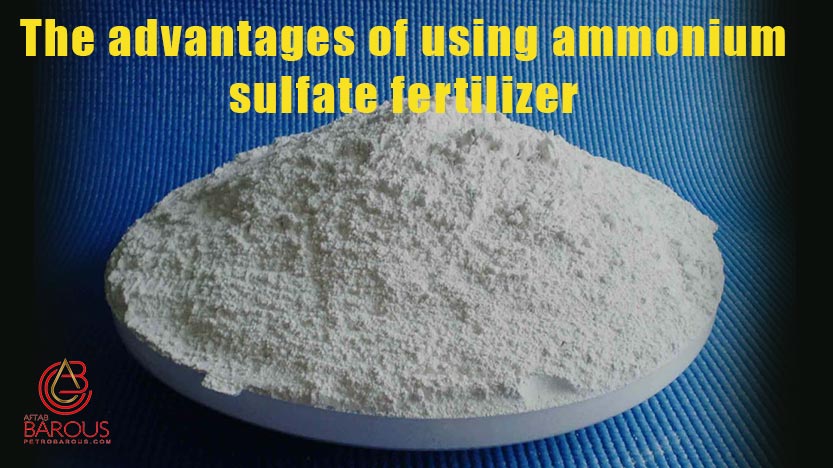


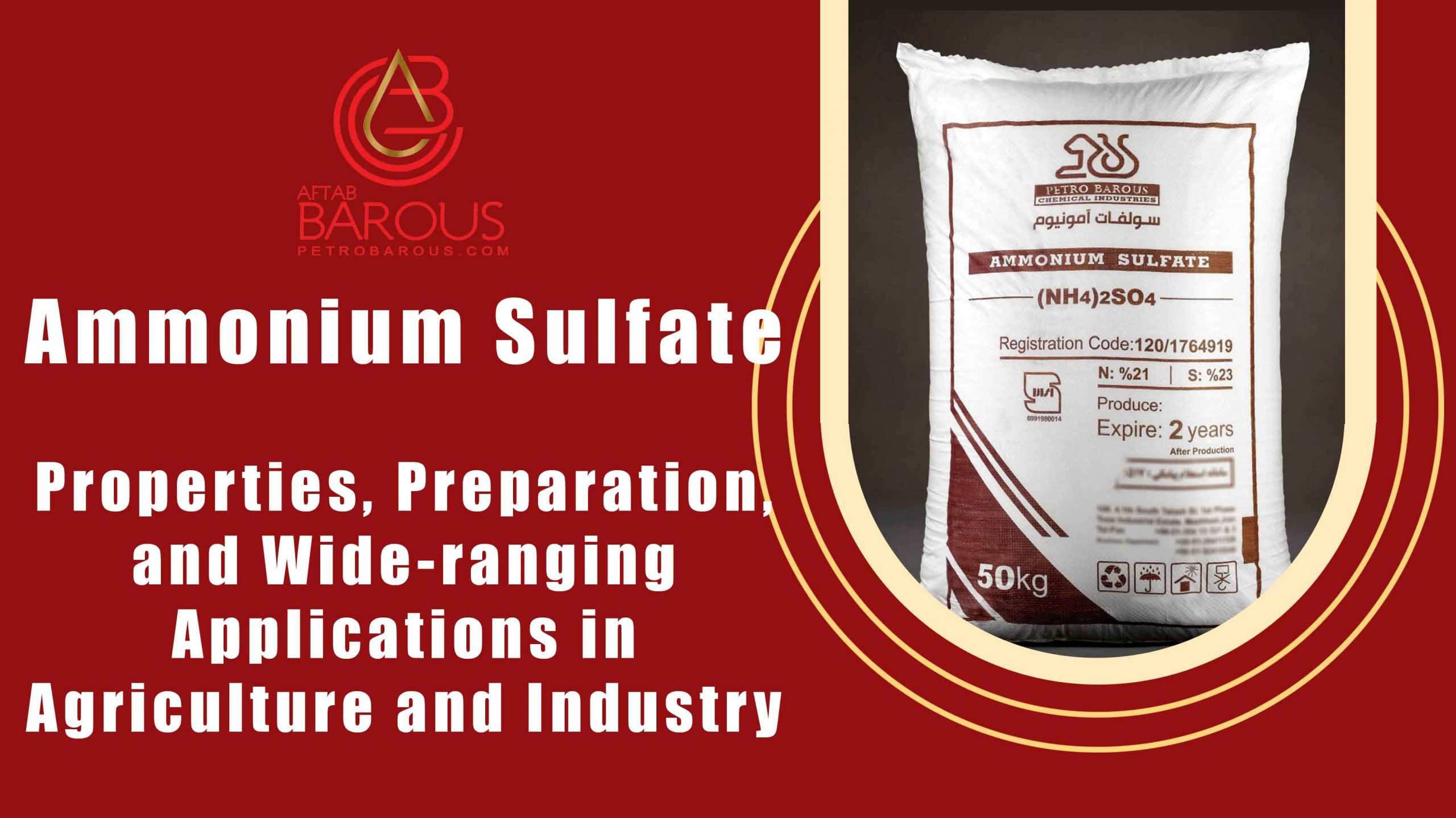
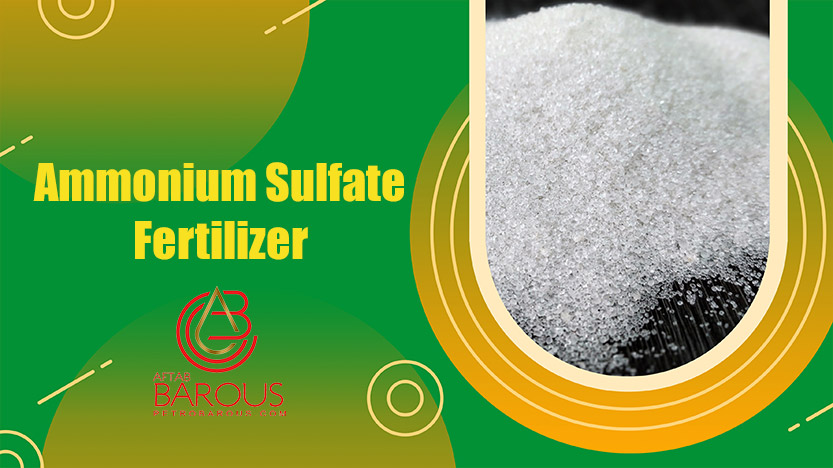
Generally, ammonium sulfate is widely recognized as a primary material for chemical fertilizers. This substance contains 21% nitrogen and 24% sulfur, making it essential for providing plants with necessary elements. Its color can vary from white to beige, but typically it is sold as highly soluble crystals with excellent storage properties. The particle size of this substance depends on the intended application. It is utilized in flame-resistant chemicals, thereby increasing the ignition temperature of materials, acting as a flame retardant.
What is Ammonium Sulfate?
Ammonium sulfate, with the chemical formula (NH4)2SO4, is a mineral salt with numerous commercial applications. It contains 21% nitrogen and 24% sulfur.
Therefore, its most common application is as a chemical fertilizer.
Physical and Chemical Properties
The solubility of this substance in water depends on temperature. For example, 70.6 grams of it dissolve in 100 grams of water at 0 degrees Celsius, 74.4 grams dissolve in 100 grams of water at 20 degrees Celsius, and 103.8 grams dissolve in 100 grams of water at 100 degrees Celsius.
Preparation Method
Ammonium sulfate, also known as AS or AMS, has been produced for over 150 years. Initially, it was solely derived from free ammonia. However, nowadays, producers manufacture it by the reaction of sulfuric acid with heated ammonia. To achieve the desired crystal size for various applications, producers control reaction conditions by sieving and drying particles. Generally, this substance can be produced through three different processes:
Artificial production from pure ammonia and concentrated sulfuric acid.
By-product of coke oven.
Washing ammonia gas steam in sulfuric acid factories.
Additionally, it is naturally present in volcanic fumaroles and due to coal combustion in some waste materials.
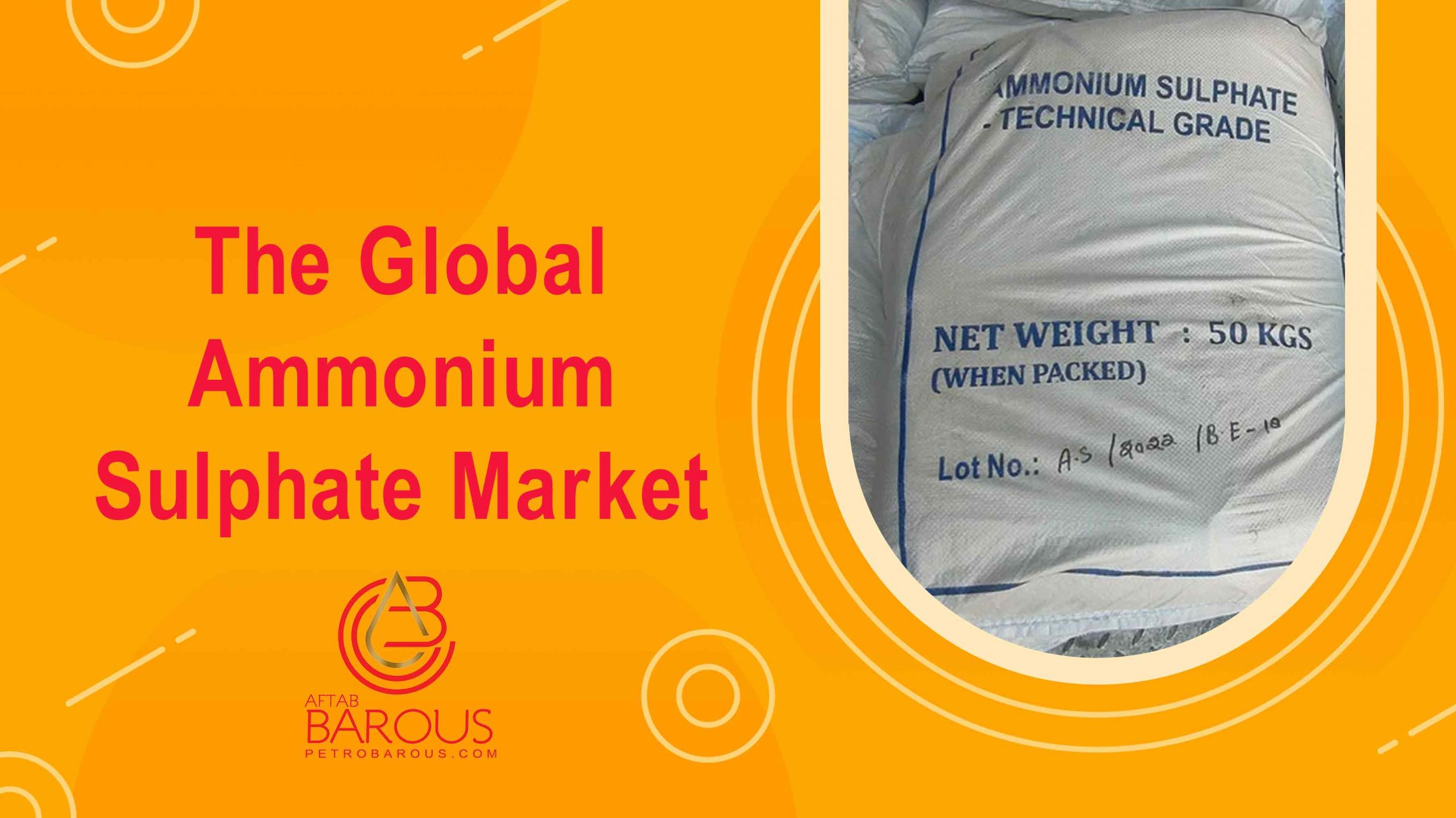
The Global Ammonium Sulphate Market
Buying Ammonium Sulfate from Iran 🌟 Contact Us (WhatsApp)
Preparation from Ammonia Purification with Sulfuric Acid
To prepare this substance, a mixture of ammonia gas and water vapor is introduced into a reactor containing ammonium sulfate and sulfuric acid. Then, concentrated sulfuric acid is added to maintain an acidic solution and preserve the free acid surface. The reaction temperature is maintained at 60 degrees Celsius in the reactor. This substance may be formed as dry powder by spraying sulfuric acid into a reaction vessel filled with ammonia gas. The reaction heat evaporates all the water present in the system, forming powdered salt. The reaction equation for this substance is as follows:
2 NH3 + H2SO4 → (NH4)2SO4
Reactions
Ammonium sulfate decomposes at temperatures above 250 degrees Celsius, forming ammonium bisulfate. Further heating at higher temperatures leads to decomposition into ammonia, nitrogen, sulfur dioxide, and water.
Applications of Ammonium Sulfate
The primary and foremost application of this substance is as a chemical fertilizer. However, this mineral salt has numerous commercial applications, which we will examine below.
Agriculture
Ammonium sulfate is widely used as a sulfur fertilizer, accounting for approximately 50% of global sulfur consumption. It also manages nitrogen effectively. It is one of the oldest and most commonly used nitrogen fertilizers for crop production. While not as prevalent nowadays, it remains valuable when nitrogen and sulfur are needed. Its high solubility provides adaptability for several agricultural applications.
Producers of this substance utilize it in regions where nitrogen and sulfur are complementary necessities for meeting the nutritional needs of growing plants. However, since this substance contains only 21% nitrogen, other concentrated and cost-effective fertilizer sources may be a better choice for transportation and consumption, especially for farms with nitrogen deficiencies. Nonetheless, it serves as an excellent source of sulfur, supporting essential plant functions such as protein synthesis.
Ammonium Sulfate as a Chemical Fertilizer
The primary application of this substance is as a fertilizer for alkaline soils. It releases ammonium ions into the soil. By forming a small amount of acid, it decreases the soil pH balance while providing necessary nitrogen for plant growth. The main drawback of using ammonium sulfate is its lower nitrogen content compared to ammonium nitrate, which increases transportation costs. Farmers use this compound for rice in paddy fields because nitrate-based fertilizers are a weak choice due to losses from denitrification.
Most plants can utilize both forms of nitrogen, ammonium, and nitrate, for growth. In warm soils, microbes quickly convert ammonium to nitrate. During this microbial reaction, acidity is released, which over time lowers the soil pH. Farmers are advised to apply ammonium sulfate before irrigation or rainfall.
Ammonium Sulfate Fertilizer 🌟 Production, Benefits, and Industrial Uses
Buying Ammonium Sulfate from Iran 🌟 Contact Us (WhatsApp)
Foliar Spray of Ammonium Sulfate
Solutions containing this substance are often added to herbicide sprays after plants have emerged to improve their effectiveness in weed control. This practice enhances the efficacy of ammonium sulfate herbicides, especially when the water source contains significant concentrations of calcium, magnesium, or sodium. After being added to the soil, this substance quickly dissolves. However, if it remains on the soil surface, ammonium is prone to gas loss under alkaline conditions.
Ammonium Sulfate in Laboratories
The precipitation of this mineral salt is a common method for protein purification. As the solution’s ion strength increases, the solubility of proteins in it decreases.
Food Additive
This substance is generally recognized as safe as a food additive. It is present in food products packaging under the name E517 and is used as an acidity regulator and softener in flour and bread.
Flame Retardant
It is used in flame retardant compounds similar to diammonium phosphate. As a flame retardant, it increases the ignition temperature of materials. The efficiency of this substance as a flame retardant can be enhanced with ammonium sulfamate and used in air firefighting.
Other applications of this substance include
In drinking water treatment for disinfection.
On a small scale, for the preparation of other ammonium salts, especially ammonium persulfate.
An ingredient in many vaccines at disease control centers.
Wood preservative.
As an auxiliary spray in agriculture for insecticides, herbicides, and water-soluble fungicides.
Powder for firefighting capsules and flame retardants.
Wood pulp.
It is used in textiles and pharmaceuticals.
Safety Data Sheet (MSDS) and Safety Notes
Before working with chemicals, read the relevant safety data sheet.
When working with ammonium sulfate, avoid eating, drinking, and smoking.
Wear protective clothing, goggles, and gloves during work.
Wash hands after handling.
Contact with this substance can irritate the skin. If contact occurs, wash the affected area with soap and water for 15 to 20 minutes.
Contact with this substance can cause serious eye irritation. If contact occurs, remove contact lenses (if present) and rinse the affected eye(s) with water for 15 to 20 minutes.
Ingestion of this substance is harmful. In case of accidental ingestion, rinse mouth with water and do not induce vomiting. Seek medical attention if necessary.
If this substance is inhaled, leave the work area and breathe fresh air.
Work with this mineral salt only in open or well-ventilated areas and store it in a ventilated container with a lid.
Possible effects of this substance include irritation, diarrhea, headache, and shortness of breath.
By observing safety precautions, you can control the hazards associated with working with chemical substances.
Petrobarous: A Pioneering Direct Supplier of Agricultural and Chemical Fertilizers
Buying Ammonium Sulfate from Iran 🌟 Contact Us (WhatsApp)
Summary
Ammonium sulfate is a mineral salt, with its most common application being as a chemical fertilizer.
Initially, it was solely derived from ammonia, but nowadays, various processes are used for its production.
In addition to agriculture, it is used in water treatment, food industries, pharmaceuticals, textiles, and as a flame retardant.
It is a harmful substance, and safety precautions must be observed when working with it.